Schedule a Consultation
216-480-4620Schedule a Consultation
216-480-4620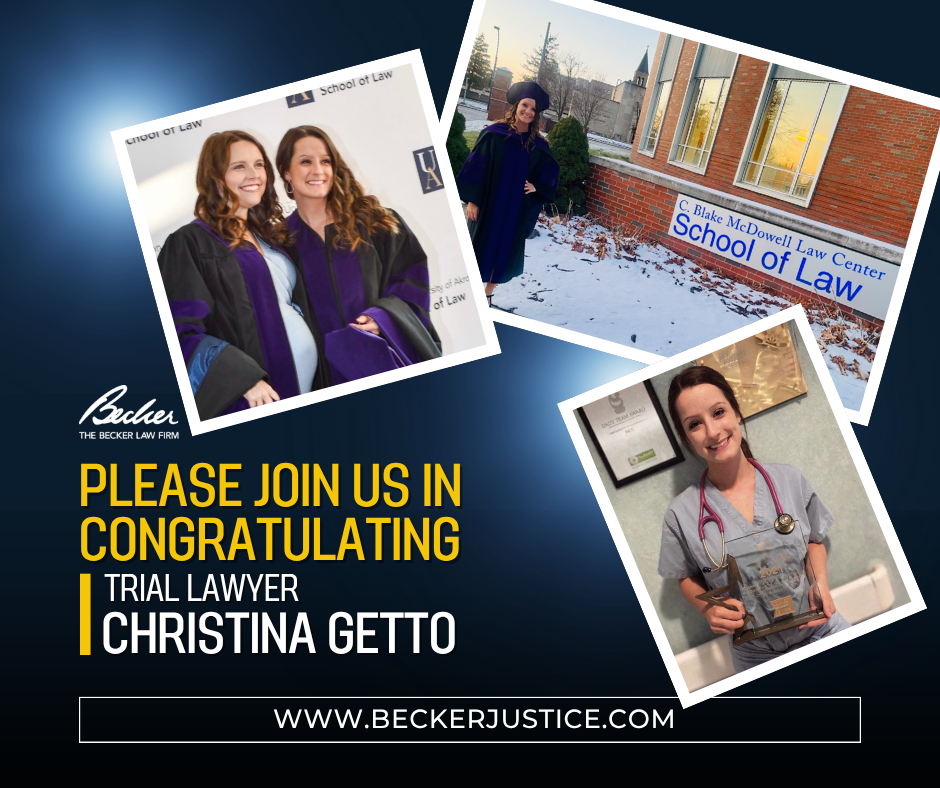
Christina Getto’s journey from the NICU to the courtroom reflects a deep, ongoing commitment to patient advocacy. After nearly a decade caring for critically ill newborns, she is now applying that firsthand clinical experience in a new way following her graduation from the University of Akron School of Law. While her role has changed, her focus has not. In the reflection below, Christina shares how her time at the bedside continues to shape her perspective and approach as a medical malpractice attorney.
"Before I ever stepped into a courtroom, I stood at the bedside of critically ill babies.
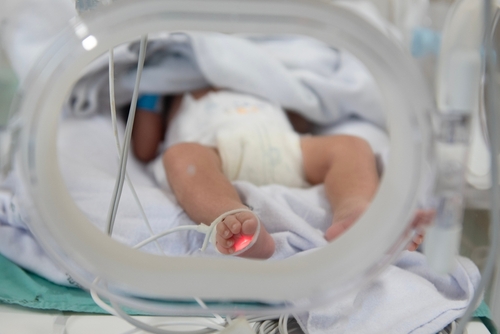
For nearly a decade, I worked as a NICU nurse caring for the most vulnerable newborns and supporting families during some of the most terrifying moments of their lives. I monitored ventilators, titrated drips, interpreted blood gases, collaborated with physicians, and advocated for patients who could not speak for themselves. I saw medicine at its best — and sometimes, I saw medicine at its worst. I witnessed firsthand what can happen when communication breaks down, systems fail, and critical warning signs go ignored.
Today, I bring that same bedside perspective into my work as a plaintiff medical malpractice attorney.Because of my clinical background, I read medical records differently. I understand how care actually unfolds in real time. I recognize when a note doesn’t match the clinical picture, when documentation appears retrospective, or when an intervention should have occurred earlier. I understand the significance of trends — not just isolated numbers — and how subtle changes can signal deterioration long before a crisis unfolds. These details matter and they often form the foundation of a medical negligence case.
Medical malpractice cases involve complex clinical concepts. Ventilator settings, neurological assessments, medication titration, and hospital safety protocols can be difficult for non-medical professionals to understand. My role as a nurse-attorney is not just to identify what went wrong, but to translate complex medicine into clear, understandable concepts. I explain what should have happened, why it mattered, and how a delay or failure impacted the outcome. That clarity is critical when presenting cases to juries, mediators, and judges.
Perhaps most importantly, my time at the bedside shaped how I approach our clients. To me, they aren’t just plaintiffs — they are patients in need of advocacy.
When my medical colleagues learned I was leaving the bedside to practice as a medical malpractice attorney, I received mixed reactions. Some were genuinely excited for me, while others were skeptical. I’ve always returned to the same answer: I went to nursing school to help patients and to uphold the ethical principles of the nursing profession — particularly the principle of justice. I am still doing that, just in a different arena."