Schedule a Consultation
216-480-4620Schedule a Consultation
216-480-4620

When a loved one undergoes cardiac surgery and wakes up cognitively changed, the experience can be devastating and confusing. Families are often told that some degree of neurological risk comes with the territory of heart surgery, but that explanation does not always tell the full story. In some cases, a brain injury occurring during cardiac surgery is not simply an unavoidable complication but may be the result of preventable errors in how the surgical team managed blood flow and oxygen delivery to the brain.
At The Becker Law Firm, our Ohio medical malpractice attorneys have worked with clients and their families facing the aftermath of catastrophic brain injuries caused by surgical negligence. We understand how complex these cases can be and how much is at stake. If you believe you or a loved one suffered a brain injury during cardiac surgery, call us at 216-480-4620 to discuss what damages you may be entitled to.
Hypoxic-ischemic brain injury (HIBI) occurs when the brain is deprived of adequately oxygenated blood for a period of time. "Hypoxic" refers to insufficient oxygen, while "ischemic" refers to insufficient blood flow. Together, these conditions create a scenario where brain tissue begins to break down, sometimes within minutes.
The brain is extraordinarily sensitive to disruptions in blood and oxygen supply. Unlike other organs, it has virtually no reserve capacity when circulation is compromised. Even brief periods of inadequate perfusion can cause cell death in critical areas of the brain responsible for memory, decision-making, movement, and personality. The longer the deprivation, the more extensive and permanent the damage tends to be.
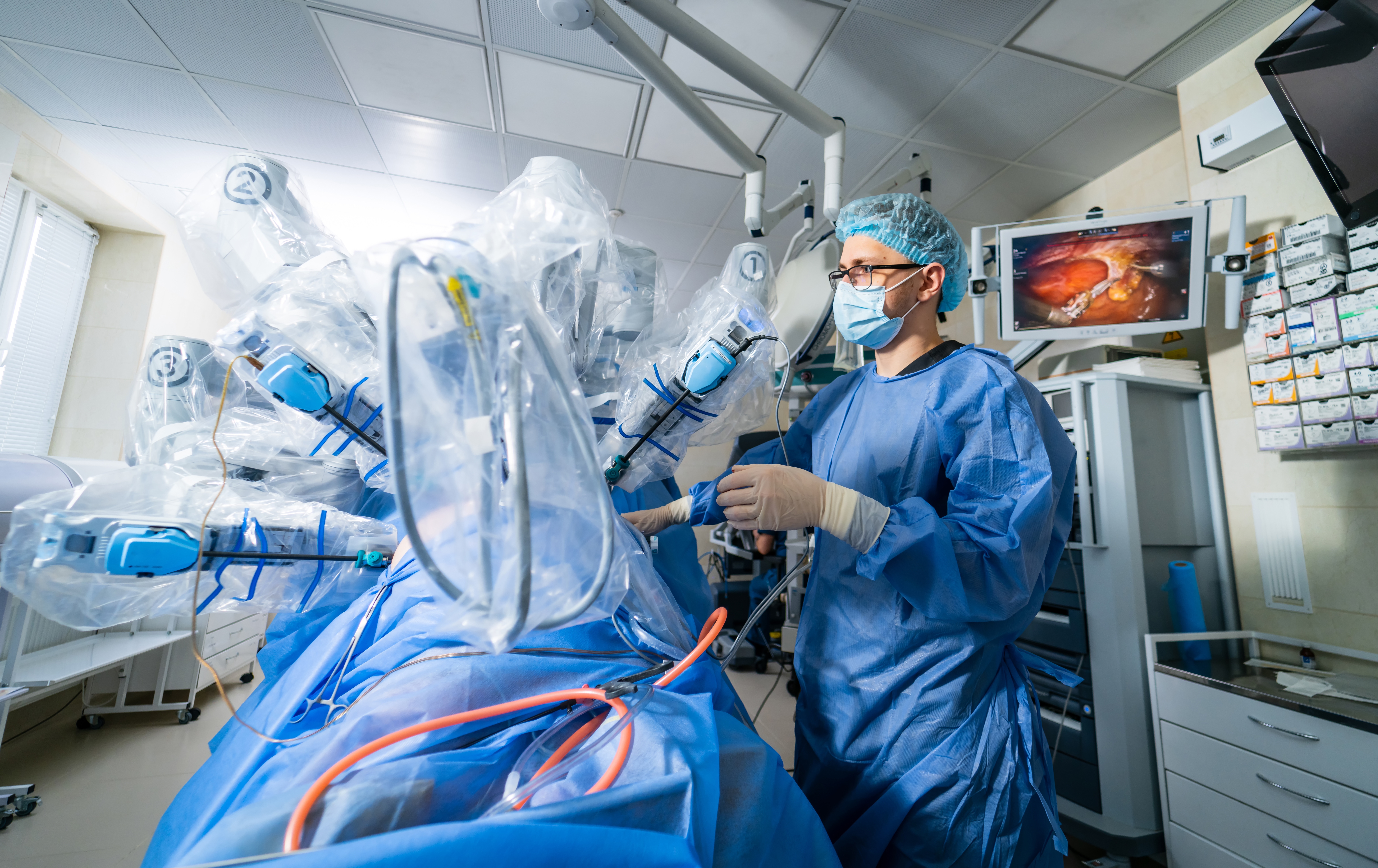
Cardiac surgery involves significant interventions that temporarily alter normal circulation. When that process is not carefully managed, the brain can be put at serious risk.
Many cardiac procedures require the use of a cardiopulmonary bypass (CPB) machine, sometimes called a heart-lung machine. This device temporarily takes over the function of the heart and lungs during surgery, pumping and oxygenating blood so the surgeon can operate on a still heart. While CPB is a standard and well-established technique, it also introduces a range of variables that must be carefully controlled.
During CPB, perfusionists and the surgical team are responsible for maintaining adequate pump flow, blood pressure, and oxygen saturation throughout the procedure. A failure at any point in that chain can result in the brain receiving insufficient oxygen.
Several factors during cardiac surgery can contribute to hypoxic-ischemic injury, including:
These are not random occurrences. In many cases, they may be associated with deviations from established protocols and standards of care.
The effects of a hypoxic-ischemic brain injury following heart surgery can range from moderate cognitive difficulties to permanent disability. Outcomes depend on the duration and severity of oxygen deprivation, as well as which areas of the brain were affected.
Patients who survive with a hypoxic-ischemic brain injury may experience:
Hypoxic-ischemic brain damage can permanently alter the way you live. A person who was fully independent before surgery may require around-the-clock care afterward. Careers may end, relationships may change, and financial strain can quickly accumulate. The legal system recognizes the severity of catastrophic injuries and allows injured individuals to seek compensation.
In the most severe cases, families may face the additional tragedy of losing a loved one due to preventable injuries. If that describes your situation, our Cleveland wrongful death attorneys can help you understand whether a claim may be available to your family.
Families are often not in a position to recognize when something has gone wrong. However, certain signs may indicate that errors occurred during surgery:
These cases require a thorough investigation. Liability may rest with the cardiac surgeon, the perfusionist managing the bypass machine, the anesthesiologist, the hospital, or some combination of these parties.
Medical expert review can play a critical role in determining what happened, when it occurred, and why. Building a successful case means obtaining and analyzing surgical records, perfusion logs, anesthesia records, and post-operative assessments, then working with qualified experts who can speak to where the standard of care was not met.
The Becker Law Firm has experience handling complex personal injury and medical malpractice cases in Ohio, including those involving catastrophic brain injuries. We understand the medical and legal challenges of these cases and know how to investigate them thoroughly to present them effectively in a court of law.
Our team works with medical experts who can analyze what happened during a procedure and whether it met the applicable standard of care. We handle the investigation, the expert coordination, and the legal strategy so that families can focus on what matters most.
If you or someone you love suffered a brain injury during cardiac surgery and you have questions about whether negligence may have played a role, call 216-480-4620 to speak with The Becker Law Firm. Our medical negligence attorneys understand that these cases can be complex, and the right legal team can help you navigate the uncertainty and better understand your legal options.
Contact The Becker Law Firm at 216-480-4620 to speak with an Ohio medical malpractice attorney. There is no obligation, and our team is here to listen.