Schedule a Consultation
216-480-4620Schedule a Consultation
216-480-4620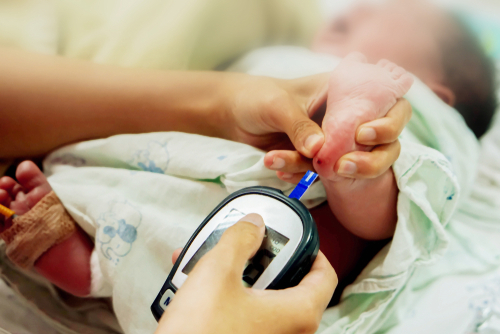
Neonatal hypoglycemia refers to low blood glucose in a newborn. Some low readings can occur as a baby adapts after birth and may resolve with feeding and monitoring. However, when low glucose is severe, persistent, recurrent, or not recognized and addressed in a timely manner, it may place a newborn at risk of neurologic injury.
Glucose is an essential energy source for the developing newborn brain. Understanding which babies may need screening, how low glucose is monitored after delivery, and what the medical records show can help families seeking answers after a child is later diagnosed with a developmental condition or brain injury.
At The Becker Law Firm, we help Ohio families review what happened after their baby’s birth and assess whether documented risk factors, symptoms, and glucose results received timely attention.
If your baby experienced low blood glucose after delivery and was later diagnosed with a brain injury or developmental condition, call 216-480-4620 to speak with our team.
Neonatal hypoglycemia refers to abnormally low blood sugar in a newborn. Glucose serves as one of the brain's primary energy sources, and because a baby's body has to adjust quickly to life outside the womb, this transition period is when blood sugar levels require close attention in babies who have known risk factors.
A newborn's brain requires a steady supply of glucose to function properly, just as it did throughout pregnancy. In the hours immediately following birth, a baby's body has to establish its own ability to regulate blood sugar, a process that doesn't always happen smoothly for every infant.
Before birth, a baby receives a continuous supply of glucose through the placenta. Once the umbilical cord is cut, that steady supply stops, and the baby must begin regulating blood sugar independently through feeding and their own metabolic processes. This transition period is when hypoglycemia is most likely to develop.
Low blood sugar readings in the hours after birth aren't unusual, and many resolve on their own or with early feeding. It becomes a more significant medical concern when glucose levels remain low despite intervention, drop to a severe level, or recur repeatedly, since these situations carry greater risk to the newborn.
Not every newborn requires routine glucose testing. Testing is generally risk-based, meaning it's prompted by recognized risk factors or symptoms rather than performed universally on every baby.
Infants born to mothers with diabetes or gestational diabetes are at increased risk for hypoglycemia, since these babies often produce higher levels of insulin in response to their mother's blood sugar levels during pregnancy, which can cause their own blood sugar to drop after birth.
Premature infants, babies who are small for their gestational age, and babies affected by fetal growth restriction often have limited glucose reserves at birth, placing them at higher risk for hypoglycemia in the hours and days that follow.
Babies who are large for their gestational age may also be screened for low blood glucose. Other circumstances, including signs of illness or stress around delivery, may also lead a care team to monitor a newborn more closely.
For newborns with recognized risk factors, prompt and appropriate monitoring in the hours after birth plays a key role in catching and addressing low blood sugar before it becomes more serious. Many hospitals begin with early feeding for at-risk infants, followed by glucose testing and repeat testing around subsequent feedings while the baby remains at risk. Screening protocols and timing can vary between hospitals and depend on each newborn's specific risk factors, so there isn't one universal testing schedule that applies to every baby.
Possible signs that may prompt a glucose check include:
Not every newborn with low blood sugar shows clear symptoms. Some babies remain largely asymptomatic even with significantly low glucose levels, which is part of why risk-based testing matters so much for infants who fall into a recognized higher-risk category, rather than relying on symptoms alone.
When significant low blood glucose is not recognized, monitored, or treated in a timely manner, it may place a newborn at risk of neurologic injury. Whether care fell below the applicable standard requires a review of the hospital’s records, the newborn’s condition, the facility’s policies, and qualified expert input.
Because the newborn brain depends heavily on glucose for energy, a prolonged shortage can deprive brain cells of the fuel they need to function and survive, potentially leading to injury in more serious cases.
Not every episode of low blood sugar causes lasting harm, and many resolve quickly with appropriate treatment. The risk of injury generally increases when hypoglycemia is severe, lasts for an extended period, or recurs repeatedly despite treatment efforts.
In more serious cases, untreated or inadequately treated hypoglycemia has been associated with newborn seizures, brain injury, and potential long-term developmental effects. Lasting neurologic injury does not occur in every case of low blood glucose.
Not every case involving neonatal hypoglycemia reflects an error in care. Certain situations, however, may raise questions worth a closer look.
Concerns may arise when a newborn’s documented risk factors were not recognized or when the monitoring required under the circumstances and applicable clinical protocols did not occur.
Concerns may also arise when records show delays in feeding support, repeat glucose testing, escalation of care, or treatment indicated by the newborn’s symptoms, glucose results, and clinical condition.
Questions may also arise if a newborn was discharged without adequate documentation that glucose levels remained stable through routine feeding intervals, particularly after repeated low readings or ongoing treatment needs.
Families are often trying to understand whether their child's current diagnosis connects back to an episode of low blood sugar shortly after birth.
Neonatal hypoglycemia brain injury has been associated in some cases with developmental delays, learning challenges, and cognitive difficulties that may become more apparent as a child grows.
Other possible effects in more serious cases may include visual impairment, seizure disorders, or motor difficulties, depending on the nature and extent of any injury.
Understanding what happened in the hours after a baby's birth generally requires a careful review of the medical record, including maternal risk factor documentation, newborn risk assessments, glucose testing results and timing, feeding records, treatment orders, nursing documentation, and discharge records.
Input from qualified medical experts is often necessary to assess whether the care provided fell below the appropriate standard and whether that care may have contributed to the baby's outcome. A low glucose result or a later developmental diagnosis alone doesn't establish that a hospital was negligent; that determination requires a full review of the specific facts involved.
For families whose baby needed repeated heel-stick testing, supplemental feedings, IV dextrose, NICU care, or seizure treatment shortly after birth, the days that followed delivery can feel like a blur, and the question of whether that care was appropriate often doesn't surface until much later, when a developmental diagnosis raises new concerns.
Our birth injury attorneys know how to obtain and analyze glucose testing records, feeding logs, and nursing documentation to determine whether a newborn's risk factors were recognized and whether appropriate monitoring and treatment followed. Contact The Becker Law Firm at 216-480-4620 to discuss your family's situation and find out whether a closer review of your baby's records is warranted.