
Schedule a Consultation
216-480-4620Schedule a Consultation
216-480-4620
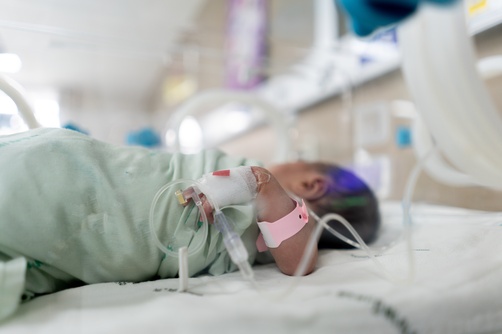
Placental abruption occurs when the placenta separates from the uterine wall before delivery. A significant separation may interfere with the placenta’s ability to provide the baby with oxygen and nutrients, potentially placing both the pregnant patient and the baby at risk.
In severe cases, reduced oxygen and blood flow may contribute to hypoxic-ischemic encephalopathy, or HIE, a type of newborn brain injury. Not every placental abruption causes HIE, and determining what occurred in a particular case requires a careful review of the medical circumstances.
At The Becker Law Firm, we help Ohio families understand what happened during their child's delivery and whether a delayed response to placental abruption may have contributed to an HIE diagnosis. If your baby was diagnosed with HIE, cerebral palsy, or another complication following a difficult birth, call 216-480-4620 to speak with our team.
Placental abruption is the premature separation of the placenta from the uterine wall before the baby is delivered. Because placental function is essential to the baby’s oxygen and nutrient supply, a significant abruption can create serious risks for both the pregnant patient and the baby.
The placenta is the organ responsible for transferring oxygen and nutrients from the mother's bloodstream to the developing baby, while also removing waste products. It attaches to the uterine wall and stays connected throughout pregnancy, functioning as the baby's lifeline until delivery.
When the placenta separates from the uterine wall before the baby is born, it can no longer function the way it's supposed to. Depending on how much of the placenta separates and how quickly it happens, this can range from a slow, partial separation to a sudden and severe one, each carrying different levels of risk to the baby.
When placental separation interrupts the transfer of oxygenated blood, the baby can experience fetal hypoxia, a shortage of oxygen, and ischemia, a reduction in blood flow. If this interruption is severe or lasts too long, it can lead to hypoxic-ischemic encephalopathy, a form of brain injury associated with inadequate oxygen and blood flow to the newborn's brain.
Even a partial placental separation can escalate quickly. What begins as a limited separation can progress further during labor, and the baby's tolerance for reduced oxygen and blood flow can vary based on individual circumstances. This is part of why continuous monitoring and a prompt response to warning signs matter throughout labor, not just in cases that appear severe from the outset.
Vaginal bleeding, abdominal pain, uterine tenderness, unusually frequent contractions, reduced fetal movement, and concerning fetal heart-rate changes may be associated with placental abruption. These findings can have other causes and may not appear together, but they can warrant prompt clinical assessment based on the patient’s condition and the circumstances of labor.
If you have questions about whether warning signs were appropriately evaluated during labor, contact The Becker Law Firm at 216-480-4620 to discuss whether a review of the delivery records may be appropriate.
Vaginal bleeding, sudden or worsening abdominal pain, and uterine tenderness are commonly associated with placental abruption. These symptoms can vary in severity and don't always present together, which is part of why a thorough clinical evaluation matters whenever they appear.
Unusual contraction patterns, including contractions that are unusually frequent or don't relax normally between episodes, along with a noticeable decrease in fetal movement, can also signal a developing abruption and warrant closer evaluation.
Continuous fetal monitoring can reveal nonreassuring heart rate patterns that may signal fetal compromise, including prolonged bradycardia, decreased variability, recurrent late decelerations, or other concerning changes in the context of the overall clinical picture. A single monitoring pattern doesn't independently prove that malpractice occurred; these patterns may prompt further evaluation and, where appropriate, timely intervention.
When placental abruption or fetal compromise is suspected, timely assessment is important. Fetal monitoring, when clinically indicated, can help the care team evaluate how the baby is tolerating labor and determine whether additional intervention is needed.
In cases involving maternal instability, substantial bleeding, or evidence that the baby may not be tolerating labor, urgent delivery, often by cesarean section, may be necessary. Whether the care team responded appropriately depends on the full clinical context, including the symptoms, fetal-monitoring information, timing, communication among providers, and available treatment options.
Timely assessment of concerning symptoms, paired with continuous fetal monitoring, allows a care team to track how the baby is tolerating labor in real time. Delays in evaluating symptoms or interpreting monitoring data can reduce the window available to respond before oxygen deprivation becomes severe.
In cases involving significant placental separation or signs of fetal distress, an emergency delivery, often by cesarean section, may become necessary to prevent prolonged oxygen deprivation. How quickly that decision is made and carried out can matter significantly for the baby's outcome.
Potential concerns may arise when a care team does not timely investigate warning signs, does not appropriately monitor the mother and baby, fails to communicate or escalate concerns among the care team, or does not act when the clinical circumstances indicate that urgent intervention is needed.
Whether any of these potential failures occurred, and whether they fell below the appropriate standard of care, requires a careful review of the specific medical record.
A difficult transition after birth may lead clinicians to evaluate whether a baby experienced oxygen deprivation or another complication before, during, or shortly after delivery. Findings such as low Apgar scores, the need for resuscitation, NICU admission, seizures, feeding difficulties, or abnormal muscle tone can be clinically important, but no single finding establishes HIE, its cause, or medical negligence.
A low Apgar score at birth, the need for resuscitation in the delivery room, or immediate admission to the NICU can all be signs that a baby experienced a difficult transition after delivery, potentially connected to oxygen deprivation during labor.
In the days following birth, seizures, difficulty feeding, abnormal muscle tone, or other neurological symptoms may lead to further evaluation and, in some cases, a diagnosis of HIE. Only qualified medical professionals can diagnose HIE, and every delivery involves its own set of clinical circumstances.
Fetal heart rate strips, nursing notes, physician documentation, delivery timing records, and NICU records can together help reconstruct the timeline of labor and delivery. A thorough review of these records, along with input from qualified medical experts, may be needed to assess whether the care provided fell below the appropriate standard, and whether that care contributed to the baby's outcome.
A diagnosis of HIE, cerebral palsy, or developmental delay after a difficult delivery can leave families with painful and urgent questions. Not every difficult birth results from preventable medical error. A thorough review of fetal-monitoring records, nursing notes, physician documentation, delivery-timing records, and neonatal records may help clarify what happened and whether the response met the applicable standard of care.
Established in 1979, The Becker Law Firm represents families in complex birth injury and medical negligence cases throughout Ohio. Managing partner Romney Cullers leads a team that works with medical professionals and qualified experts to investigate serious claims involving newborn brain injuries.
Contact The Becker Law Firm at 216-480-4620 to discuss your family’s situation and determine whether a detailed review of the delivery records may be warranted.closer review of your delivery record is warranted.