Schedule a Consultation
216-480-4620Schedule a Consultation
216-480-4620
Uterine rupture is a rare but serious emergency that can occur during a trial of labor after cesarean (TOLAC), sometimes called an attempted VBAC. It involves a tear through the uterine wall, often at the site of a previous cesarean incision. The signs can vary, making fetal monitoring, maternal assessment, and readiness for emergency delivery important parts of care. When providers fail to respond appropriately to concerning changes, the mother or baby may suffer preventable harm.
If you’re trying to understand what happened during a VBAC labor, The Becker Law Firm can review the medical records and help you find answers. Our team of lawyers and medical professionals investigates birth injury cases throughout Ohio. Call 216-480-4620 to schedule a consultation.
A cesarean delivery leaves a scar in the wall of the uterus. During a later labor, that scar can be a point of weakness.
According to the American College of Obstetricians and Gynecologists (ACOG), several large studies of women with a prior low-transverse uterine incision reported uterine rupture rates of approximately 0.5% to 0.9% during a trial of labor. Labor induction methods can affect that risk. ACOG specifically states that misoprostol should not be used for cervical ripening or labor induction at term in patients who have had a prior cesarean delivery.
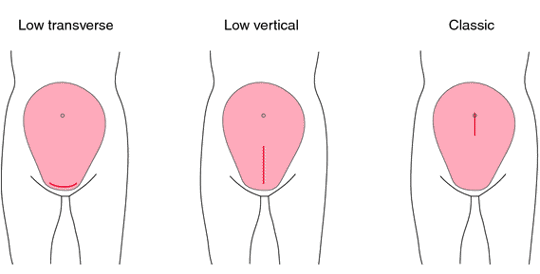
A low-transverse incision, made horizontally across the lower part of the uterus, is associated with a lower rupture risk than a classical incision or a T-shaped incision extending into the upper uterus. Patients with classical or T-shaped uterine incisions are generally not candidates for planned TOLAC. The skin incision doesn’t always match the uterine incision, which is why reviewing the prior operative records is so important.
TOLAC refers to the attempt to deliver vaginally after a cesarean, while VBAC refers to a completed vaginal birth. Some trials of labor end in a repeat cesarean.
A uterine rupture can be difficult to predict, and its signs aren’t always obvious. Monitoring for concerning changes and evaluating their significance are responsibilities of the care team. Families should not be expected to identify a uterine rupture themselves.
Abnormal fetal heart rate patterns, such as sudden or prolonged decelerations or bradycardia, are the most common findings associated with uterine rupture. However, no single tracing pattern proves that a rupture has occurred. Changes in the fetal heart rate require prompt evaluation in the context of the patient’s full clinical picture.
Other possible signs include new or worsening abdominal pain, pain that seems out of proportion to labor, vaginal bleeding, a drop in blood pressure, or a rising heart rate. These findings do not always occur together and do not, by themselves, establish that a rupture has occurred.
A sudden change in the contraction pattern or a loss of fetal station, meaning the baby’s head moves back up in the birth canal, can also signal a problem. Providers should consider these changes alongside fetal monitoring and maternal assessment.
Before and during labor, providers should review the prior cesarean records, including the type of uterine incision, the number of prior cesareans, and any other uterine surgery. This information helps determine whether TOLAC is appropriate and what risks should be discussed.
ACOG recommends continuous fetal heart rate monitoring during TOLAC. Providers should also regularly assess the mother’s vital signs, pain, bleeding, and labor progress. Monitoring is only effective if someone reviews the information and acts on concerning changes.
Nurses, midwives, physicians, and anesthesiologists need to communicate clearly when they notice concerning findings. Hospital protocols, chain-of-command procedures, and timely physician notification all play a role in making sure concerns are addressed promptly.
ACOG recommends that TOLAC take place at facilities capable of performing emergency cesarean delivery. The hospital’s ability to recognize an emergency and coordinate a timely response is an important part of evaluating the care provided. A suspected rupture typically requires an emergency cesarean delivery, along with surgical repair of the uterus or, in some cases, a hysterectomy.
A rupture can interrupt the baby’s oxygen supply and cause serious brain injury. Depending on the circumstances, delayed intervention may contribute to permanent disabilities or death. Mothers may experience severe bleeding or require transfusions, additional surgery, or a hysterectomy. Learn more about uterine rupture birth injuries.
If you have questions about the care provided during labor, The Becker Law Firm can review the circumstances and explain your legal options. Call 216-480-4620 to schedule a consultation.
A uterine rupture doesn’t automatically mean malpractice occurred. Ruptures can happen even when care is appropriate. The legal question is whether substandard care caused or contributed to harm that likely would have been avoided.
Providers should evaluate whether a patient is an appropriate candidate for TOLAC and explain the risks and benefits so the patient can make an informed decision. Failing to review prior surgical records, overlooking significant risk factors, or not discussing the risks of TOLAC may raise concerns. Our page on vaginal birth after cesarean explains these issues further.
A potential claim may involve a failure to recognize, communicate, or appropriately respond to concerning fetal monitoring findings or maternal changes.
The investigation must distinguish harm caused by the rupture itself from harm attributable to an alleged failure in care. Medical expert review helps evaluate whether a different response likely would have changed the outcome.
If you have questions about the care provided during labor, The Becker Law Firm can review the circumstances and explain your legal options. Call 216-480-4620 to schedule a consultation.
The Becker Law Firm investigates whether providers responded appropriately during labor and whether a failure in care contributed to the injuries. Our review connects the medical records, delivery timeline, and expert findings to help families understand what happened and whether they may have a claim.
The Becker Law Firm reviews available fetal monitoring records alongside nursing notes, physician orders, medication records, and other relevant documentation to evaluate what happened during labor. We look at when concerning heart rate changes first appeared, how long they lasted, how the mother’s pain, bleeding, and vital signs changed, and what the care team documented in response. We also review the records from the prior cesarean to determine what providers knew, or should have known, about the type of uterine scar before labor began.
Many delayed-delivery cases come down to who knew what and when. Depending on the case and the records available, that review may include electronic health record audit trails, communication logs, operating room records, and anesthesia records. These records help us evaluate when concerning findings were recognized, when the physician was notified, when the decision to perform an emergency cesarean was made, and how long it took to deliver the baby. The review may also include the hospital’s policies on TOLAC, fetal monitoring, and chain of command.
The Becker Law Firm works with qualified medical experts whose specialties are relevant to the issues in the case. Experts may review cord blood gases, placental pathology, newborn brain imaging, and neonatal records to help determine when and how an injury occurred. When a child has lasting disabilities, the investigation may also include an assessment of future care, therapy, and support costs.
The Becker Law Firm was founded in 1979 by attorney Mike Becker, a member of the Inner Circle of Advocates, and today our team of lawyers and medical professionals is led by managing partner Romney Cullers. We’ve handled complex birth injury cases throughout Ohio, including a $14.5 million result in a case involving a mother with a prior cesarean whose baby suffered a permanent brain injury after providers delayed an emergency delivery. Past results don’t guarantee a similar outcome.
Ohio has strict deadlines for medical malpractice claims, so it’s important to act promptly.
Contact The Becker Law Firm at 216-480-4620 to schedule a consultation.