Schedule a Consultation
216-480-4620Schedule a Consultation
216-480-4620
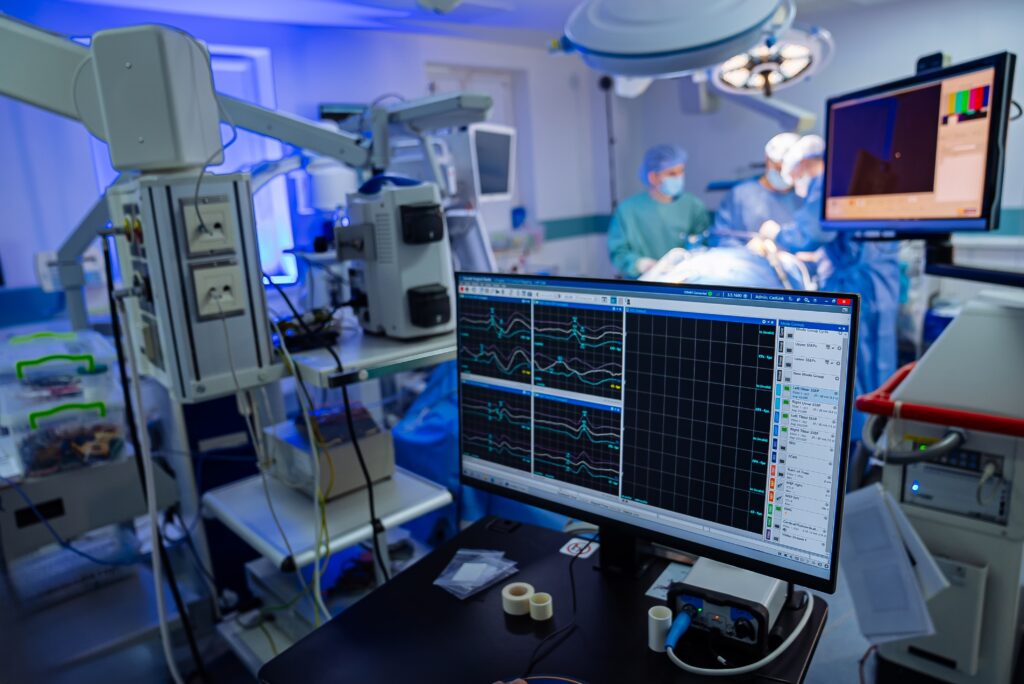
The surgery went well. The surgical team repaired or replaced the valve, the patient was closed, and they were transferred to the cardiac ICU in stable condition. Then, something went wrong in the hours that followed, when vigilant monitoring, timely recognition of warning signs, and rapid escalation of care were the only things standing between a successful surgical outcome and a catastrophic one. Many families who have lost loved ones after cardiac surgery are told that complications happen, that the surgery itself was a success, and that the outcome was simply an unfortunate risk. Sometimes that is true. In other cases, a closer look reveals preventable failures in postoperative care
The Becker Law Firm’s Cleveland medical malpractice and cardiology malpractice attorneys represent families in cases involving preventable postoperative deaths and injuries. Call us at 216-480-4620 to discuss your situation today.
The transition from the operating room to the cardiac ICU is not a transfer to safety. It is a transfer to the next critical phase of care, one that carries its own significant risks and demands a high standard of attentiveness and response.
When a cardiac surgery patient arrives in the ICU, they are often physiologically stressed, medically complex, and reliant on the ICU team’s monitoring and interventions to spot and treat developing complications before they become irreversible.
The surgical team’s responsibility doesn’t end at the operating room door; ICU care is a direct continuation of that work, and its quality plays a decisive role in whether the surgery achieves its intended outcome.
From a postoperative monitoring perspective, there is no such thing as a truly routine cardiac surgery. Most patients who undergo valve replacement or repair face a defined set of potential complications, and many of those complications are time-sensitive.
ICU monitoring protocols exist because the window between early identification and irreversible harm is narrow, and the tools to identify and treat these complications are available and effective when used promptly.
Modern cardiac ICU care relies on continuous, structured monitoring of the physiological parameters most likely to reflect developing complications. Breakdowns in this monitoring can allow treatable problems to progress before they’re recognized.
Blood pressure, heart rate, cardiac output, and systemic vascular resistance are the primary indicators of hemodynamic status in the postoperative cardiac patient. Any concerning trend in these parameters requires prompt evaluation and a differential diagnosis that accounts for the full range of postoperative complications.
Attributing hemodynamic instability to benign causes without considering serious postoperative complications can delay critical treatment and, in some cases, have fatal consequences.
Chest tubes are placed specifically to drain blood and fluid from the pericardial and pleural spaces after cardiac surgery, and their output is tracked in the postoperative period.
Abnormally high output may indicate significant internal bleeding. Suddenly reduced output after a period of drainage may indicate tube obstruction with ongoing blood accumulation. Both patterns are warning signs that warrant prompt clinical attention, and failure to respond appropriately may constitute a preventable error.
Postoperative cardiac patients are at risk for respiratory complications including pulmonary edema, pleural effusion, atelectasis, and in some cases pneumothorax. Oxygen saturation monitoring and respiratory assessment are standard components of cardiac ICU care, and deteriorating oxygenation requires prompt evaluation and intervention.
Delayed recognition of respiratory compromise can produce hypoxic injury that compounds the cardiac injury the patient was already managing.
Arrhythmias are common after cardiac surgery and range from atrial fibrillation that requires rate control to life-threatening ventricular arrhythmias that demand immediate intervention. Continuous cardiac monitoring in the ICU is designed to catch these rhythm disturbances as they develop.
Failure to recognize a dangerous arrhythmia, failure to treat it promptly, or failure to investigate the underlying cause of a new arrhythmia can fall below the standard of postoperative care and, in some cases, lead to catastrophic outcomes.
A newly placed or repaired valve that is not functioning properly represents an immediate threat to hemodynamic stability. Signs of valve dysfunction including abnormal heart sounds, hemodynamic instability without other explanation, and new or worsening heart failure symptoms require prompt echocardiographic evaluation.
Delays in ordering imaging when clinical signs suggest valve dysfunction can allow a potentially correctable problem to progress to severe, sometimes irreversible, decompensation.
Individual monitoring failures rarely occur in isolation. They often occur within broader system breakdowns that together create the conditions for preventable harm.
ICU monitors generate continuous data, but that data only improves outcomes if someone interprets it correctly and responds appropriately.
A nurse who documents a concerning trend without escalating it, a physician who is notified of abnormal values but does not respond with sufficient urgency, or a care team that normalizes worsening numbers as expected postoperative variation may allow a patient to deteriorate past the point where intervention remains effective.
The standard of care in the cardiac ICU requires not only that concerning findings be recognized but also that they be acted upon within a clinically appropriate timeframe. Delays between recognition and response, whether caused by communication failures, staffing shortages, or clinical judgment, extend the period during which a reversible complication progresses without treatment.
In time-sensitive conditions like cardiac tamponade or acute valve failure, those delays can be fatal.
Shift changes, transitions between the cardiac surgical team and the ICU team, and handoffs between nursing staff all create opportunities for critical clinical information to be lost or inadequately communicated. A patient whose deteriorating trend was clearly documented in one shift’s records may not receive the escalated attention their condition requires if that information is not effectively communicated to the incoming team.
Communication breakdowns are among the most common contributing factors in preventable postoperative deaths.
Echocardiography, chest imaging, and laboratory studies are key tools for identifying and characterizing postoperative cardiac complications. Ordering these tests when clinical signs warrant them is not exceptional clinical management; it is a baseline expectation.
Delays in ordering appropriate diagnostic testing, or failure to order it at all when the clinical picture demands it, can prevent timely identification and treatment of developing complications.
Not every postoperative complication constitutes malpractice. Some complications occur despite appropriate, timely, and competent care. The key question is whether the care provided met the standard that cardiac ICU patients are entitled to receive.
In a cardiac surgical ICU, the standard of care is defined by what a reasonably competent intensivist, cardiac surgeon, and nursing team would do under similar circumstances. It typically includes:
These are not exceptional measures; they are generally considered part of the baseline standard of care for postoperative cardiac surgery patients.
The path from a recognizable warning sign to a preventable death typically involves a series of decision points, each representing an opportunity to intervene. For example:
Each of these trajectories includes a window during which the standard of care required action that was not taken. The failure-to-diagnose framework often applies in these postoperative situations when warning signs were present and a competent provider should have recognized them.
Informed consent before cardiac surgery includes disclosure of the procedure’s known risks, including the possibility of postoperative complications. That disclosure, however, does not absolve providers of their obligation to monitor for and respond to those complications when they develop.
A known risk that materializes and is not recognized or treated promptly may reflect more than bad luck. It can indicate a failure to fulfill the monitoring and response obligations that the known risk creates. The existence of a consent form does not necessarily shield a provider from potential malpractice liability if the standard of postoperative care may not have been met.
At The Becker Law Firm, we represent families across Ohio who have lost loved ones to preventable postoperative cardiac complications. When ICU teams miss or delay responding to well-known warning signs, the results can be devastating and may constitute medical negligence. Below are examples of preventable errors we see in postoperative cardiac ICU cases.
Cardiac tamponade is a known and expected postoperative risk following valve surgery. It produces a recognizable hemodynamic profile including hypotension, elevated central venous pressure, and declining urine output.
When those signs are present and providers fail to order echocardiography or fail to act on its findings, the resulting harm may constitute preventable negligence.
Postoperative bleeding that is not adequately drained through chest tubes can accumulate in the chest, compress cardiac structures, and destabilize hemodynamics.
Abnormal chest tube output patterns that are not investigated, or hemodynamic instability that is not attributed to its actual bleeding source, can allow blood loss to progress to a level that is no longer compatible with survival.
Documented arrhythmias in the postoperative cardiac patient that are not treated promptly, or that are treated without investigating their underlying cause, may fall below the standard of ICU care.
The cardiac surgery patient's tolerance for hemodynamic compromise from an untreated arrhythmia is limited by their already stressed cardiovascular state.
A newly placed valve that is not functioning properly may present with hemodynamic instability, abnormal sounds, or signs of heart failure that should prompt immediate echocardiographic evaluation.
Delays in recognizing valve dysfunction allow a potentially correctable mechanical problem to produce progressive hemodynamic compromise that may eventually become irreversible.
The Becker Law Firm approaches postoperative cardiac malpractice cases with the medical depth and legal precision these complex matters require. Every investigation begins with a thorough review of ICU monitoring records, vital sign trends, nursing documentation, physician notes, imaging studies, and laboratory results to establish a complete timeline of the patient's postoperative course and every clinical decision made along the way.
We work with qualified cardiothoracic surgery and critical care medicine experts who can evaluate whether the standard of care was met at every decision point, identify where the failures occurred, and explain clearly how those failures contributed to the outcome.
Our medical malpractice attorneys examine both individual provider decisions and systemic factors including staffing levels, communication protocols, and institutional policies that may have contributed to the breakdown in care.
Whether the negligence involved a missed cardiac tamponade, an unrecognized arrhythmia, a delayed imaging order, or a communication failure during a shift change, our goal is to build a comprehensive case that seeks accountability from all responsible parties.
If a family member has passed away or suffered serious harm in the ICU following cardiac surgery and you believe the postoperative care fell short of the standard they deserved, The Becker Law Firm is ready to evaluate your case. Contact us at 216-480-4620 today to speak with a Cleveland medical malpractice attorney about what happened and whether it could have been prevented.