Schedule a Consultation
216-480-4620Schedule a Consultation
216-480-4620
Bringing a newborn home is a period of immense joy, but for many parents, that excitement is met with concern when they notice a yellow tint to their baby’s skin. Jaundice is incredibly common, yet when left unmonitored, it can escalate into a life-altering condition. Understanding what constitutes a dangerous level of bilirubin is not just about a single number; it is about how a medical team should track these levels to prevent serious complications, including permanent brain damage.
At The Becker Law Firm, we advocate for families affected by birth injuries. We believe that every parent deserves to know the risks of hyperbilirubinemia and the standard of care their healthcare providers are legally and ethically required to meet. If this sounds like your situation, please contact our firm at 216-480-4620 today.
Bilirubin is a yellowish pigment created during the natural breakdown of red blood cells. In adults, the liver processes this pigment and clears it from the body. However, a newborn’s liver is often too immature to keep up with this process. This results in a buildup of bilirubin in the blood, which manifests as jaundice or the yellowing of the skin and the whites of the eyes.
Most newborns experience physiological jaundice, which appears two to four days after birth and usually clears up as the liver matures. However, pathological jaundice is a more serious medical concern. This version typically appears within the first 24 hours of life or involves bilirubin levels that rise too quickly. Pathological jaundice is often triggered by underlying issues such as blood type incompatibilities between mother and baby, internal bruising from birth trauma, or infections.
The transition from the womb to the outside world is taxing. Hyperbilirubinemia occurs when the production of bilirubin outpaces the liver’s ability to eliminate it. This can be exacerbated by:
Determining if a bilirubin level is dangerous requires more than a simple blood test; it requires context. A level of 12 mg/dL might be perfectly safe for a three-day-old baby but potentially catastrophic for a baby who is only 18 hours old.
Pediatricians use a specialized tool called the Bhutani Curve to plot a baby’s bilirubin levels against their exact age in hours. This hour-specific nomogram helps doctors determine if a child is in a low-risk, intermediate-risk, or high-risk zone. If a baby's levels are rising faster than the curve predicts, immediate intervention may be required.
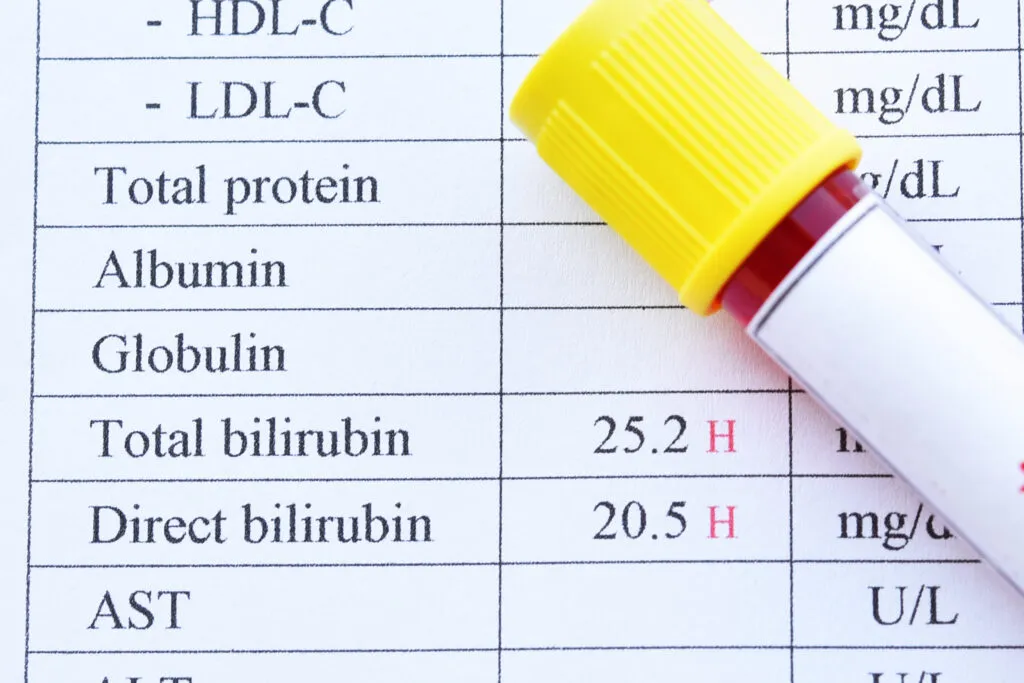
While every baby is different, general medical consensus suggests that Total Serum Bilirubin (TSB) levels exceeding 15 to 20 mg/dL in full-term infants are cause for serious alarm. For premature infants or those with existing health complications, the danger zone begins at even lower levels. When bilirubin crosses these thresholds, it risks moving from the blood into the brain tissue.
Hospitals often use a non-invasive skin sensor (TcB) for initial screenings. However, if a skin test shows elevated levels, a follow-up blood test to measure Total Serum Bilirubin (TSB) is the "gold standard." Relying solely on a skin test when a baby is visibly jaundiced can lead to a dangerous delay in diagnosis.
The primary danger of high bilirubin is its toxicity to the central nervous system. If levels are not controlled, the pigment can cross the blood-brain barrier, leading to two stages of neurological damage.
ABE is the initial stage of brain toxicity. Parents may notice their baby is excessively sleepy (lethargy), has a high-pitched cry, or experiences floppiness (poor muscle tone). If caught in this stage, aggressive treatment like an exchange transfusion may still prevent permanent damage.
If ABE is not treated, it can evolve into Kernicterus. This is a permanent, irreversible form of brain damage. Children with kernicterus often face a lifetime of challenges, including:
Because kernicterus is preventable with proper medical intervention, the medical community has strict protocols to ensure no baby reaches dangerous levels. These standards of care are the benchmarks used to determine if a hospital or doctor was negligent.
The American Academy of Pediatrics requires that every newborn be screened for jaundice before they leave the hospital. This includes a physical assessment, a TcB or TSB test, and a formal risk assessment based on the baby's age and health history.
Doctors must be proactive. If a baby was born prematurely, had a difficult delivery involving forceps or vacuum extraction, or has a sibling who required phototherapy, that baby must be monitored more frequently than a low-risk infant. Ignoring these risk factors may be considered a significant lapse in medical judgment.
High bilirubin itself is a medical condition, but the failure to manage it is often a legal issue. Medical malpractice occurs when a healthcare provider fails to follow the standard of care, leading to preventable injury. Examples of negligence that may result in jaundice cases include:
When these failures occur, the results are catastrophic and permanent. The costs of caring for a child with kernicterus may include physical therapy, specialized equipment, and long-term nursing, which can reach millions of dollars over their lifetime.
At The Becker Law Firm, we believe no family should ever have to bear the burden of a preventable birth injury in silence. If your child was diagnosed with kernicterus or suffered brain damage due to high bilirubin levels, it is highly likely that a medical error occurred and your family deserves answers.
With a team of personal injury attorneys with over a century of collective experience, we don’t just build cases; we fight to secure the full compensation required to provide your child with the best possible quality of life, covering lifelong medical expenses, specialized education, and round-the-clock care.
Don’t wait for answers that may never come from the hospital. If you suspect your child’s jaundice was mismanaged, take the first step toward justice today. Contact us online for a free, no-obligation consultation. We are ready to help you hold the responsible parties accountable.