Schedule a Consultation
216-480-4620Schedule a Consultation
216-480-4620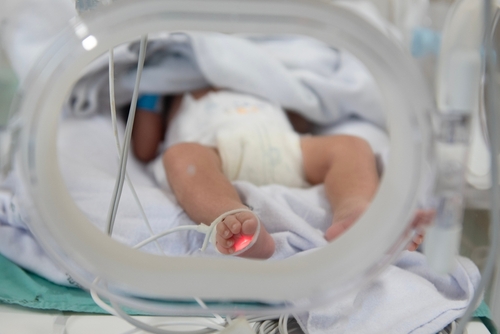
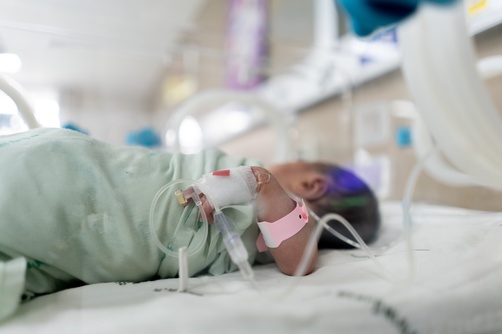
When a newborn has seizures in the hours or days after a hard delivery, parents are often left with more questions than answers. Identifying neonatal seizures is only part of understanding what happened. The next question is what caused them. In most cases, they signal that something is affecting the baby’s brain. One possible cause is hypoxic-ischemic encephalopathy (HIE), a brain injury associated with insufficient oxygen and blood flow.
The Becker Law Firm helps Ohio families investigate whether a child’s birth injury was connected to the care provided during labor, delivery, and the first days of life. The Becker Law Firm’s team includes attorneys and medical professionals who help investigate the care provided and the circumstances surrounding a child’s injury. Contact The Becker Law Firm at 216-480-4620 to schedule a free consultation.
Neonatal seizures are episodes of abnormal electrical activity in the brain that occur during the neonatal period, the first 28 days of life, most often within the first week. They are the most common neurological emergency newborns face. Neonatal seizures occur in approximately 1 to 4 of every 1,000 live births, with higher rates among premature infants.
The distinction that matters most for families is that most seizures in newborns are acute, meaning a specific event or condition provoked them. That makes them different from epilepsy, which is an ongoing tendency toward recurring, unprovoked seizures. A baby who has seizures after birth does not automatically have epilepsy.
Most neonatal seizures occur in response to an underlying injury or condition. HIE is the most common cause in babies born at term. Other causes fall into several broad categories.
HIE develops when a baby’s brain does not receive enough oxygen and blood flow for a period of time before, during, or shortly after birth. The injury unfolds in stages. Brain cells are harmed during the initial deprivation, and a secondary wave of injury can follow in the hours afterward.
Perinatal stroke occurs in an estimated 1 in 1,600 to 5,000 births, and seizures are a common presenting symptom. Bleeding in or around the brain is another major cause. Intraventricular hemorrhage, or bleeding into the brain’s fluid filled spaces, is a leading cause of seizures in premature infants. Trauma during a difficult instrument-assisted delivery can also cause bleeding that irritates the brain.
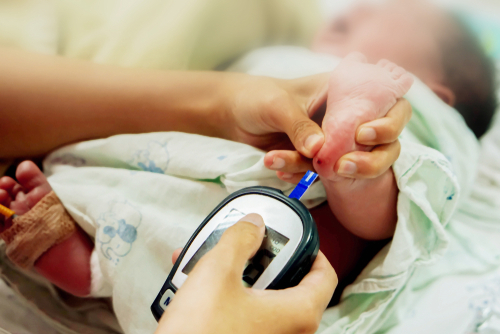
Infections such as meningitis and sepsis can cause neonatal seizures. Metabolic disturbances, including low blood sugar and abnormal calcium or sodium levels, can also trigger seizures. Some neonatal seizures have genetic causes.
A difficult birth does not always cause a brain injury, but certain complications can reduce the oxygen and blood flow a baby receives. Reviewing the records can help clarify when a complication arose and how the delivery team responded.
During labor, a baby depends on the placenta and umbilical cord for oxygen. Placental abruption, umbilical cord prolapse or compression, uterine rupture, excessive contractions, and prolonged labor can all interrupt that supply.
Fetal heart rate monitoring exists to warn the delivery team when a baby shows signs of fetal distress, and accepted practice calls for the team to respond to concerning patterns, which can include stopping labor-stimulating medication or moving toward an expedited delivery.
After birth, cord blood gas results, Apgar scores, resuscitation records, and other findings help experts assess whether an oxygen-related injury may have occurred. No single finding establishes the cause on its own.
When an oxygen-related injury causes HIE, seizures commonly appear within the first day of life, which is one reason the hours surrounding delivery receive close attention.
Have questions about the care surrounding your child’s birth? Contact The Becker Law Firm at 216-480-4620 to discuss a potential birth injury investigation.
Prompt recognition of seizures helps the medical team investigate their underlying cause. When HIE is a concern, timely evaluation also matters because therapeutic hypothermia, or cooling, is ideally initiated within six hours of birth in eligible newborns with moderate-to-severe HIE.
Many seizures in newborns have no obvious outward signs. A 2024 review published by the American Academy of Pediatrics reports that 60% to 80% of seizures confirmed through electroencephalography (EEG) have no visible signs detectable by bedside caregivers. Clinical observation alone can miss seizure activity, making EEG monitoring important for accurate identification.
Continuous video EEG records the brain’s electrical activity over an extended period and is the gold standard for confirming neonatal seizures. Amplitude-integrated EEG can help with bedside screening, but it does not replace continuous video EEG for confirmation. Monitoring helps the medical team identify seizures that would otherwise be missed, measure their frequency and duration, and assess background brain activity for information about brain function.
Parents understandably want to know what neonatal seizures mean for their child’s long-term health. No article can answer that for an individual child, but research points to the factors that tend to shape outcomes.
The seizures themselves are only part of the picture. Outcomes depend heavily on what caused them and how much of the brain was affected. Long-term outcomes depend on the underlying cause, the nature and severity of any injury, and the child’s individual circumstances.
The underlying injury can also help explain the lasting conditions some children experience. Damage to the areas of the brain that control movement can lead to cerebral palsy, which is often diagnosed months or years after birth.
Some children develop epilepsy after the newborn period. In a prospective study across nine U.S. Neonatal Seizure Registry sites, 13% of 282 infants with acute symptomatic neonatal seizures developed epilepsy by age 2. Most infants in that study had not developed epilepsy by that age. Among those who did, developmental impairment and drug-resistant epilepsy were common.
If your child’s injury has raised concerns about the care provided, The Becker Law Firm can help you explore those questions. Call 216-480-4620 for a free consultation.
Birth injury and seizures can raise legitimate questions about whether the care before, during, or after delivery met accepted medical standards. A medical negligence claim examines whether a provider’s care fell below the applicable standard and whether that failure caused or contributed to the child’s injury. A difficult birth, seizures, or an HIE diagnosis does not on its own establish malpractice, and some injuries happen despite appropriate care.
Many birth injury investigations center on timing. Records may show that fetal heart rate tracings signaled distress for an extended period before the team acted, that labor-inducing medication such as Pitocin continued despite warning signs, or that an emergency cesarean was delayed. The question is whether the team recognized and responded to documented problems as a reasonably careful provider would have.
After birth, attention shifts to the newborn’s care. Concerns may include delays in recognizing signs of encephalopathy, failing to order EEG monitoring when seizures were suspected, missing the window to evaluate a baby for cooling, or not checking for treatable problems such as low blood sugar or infection. Expert review is needed to determine whether any delay or omission fell below the applicable standard of care and whether it caused or worsened an injury.
Answering these questions requires the complete record, including prenatal records, fetal monitoring strips, nursing notes, cord blood gas results, NICU records, EEG reports, and imaging. Qualified medical experts evaluate whether the care met the standard and whether any departure changed the child’s outcome.Ohio Civil Rule 10(D)(2) generally requires a complaint asserting a medical claim to include an affidavit of merit from a qualified expert, subject to the rule’s provisions for requesting additional time. Medical records and expert review are central to investigating a potential birth injury claim.
When a newborn’s seizures lead to an HIE diagnosis or another brain injury, families deserve to understand what happened. The Becker Law Firm represents families across Ohio in birth injury and medical malpractice cases from offices in Cleveland, Cincinnati, Columbus, and Dayton. Our attorneys gather the complete medical record, work with physicians to reconstruct the timeline of labor, delivery, and newborn care, and partner with life care planners to calculate what a child will need over a lifetime. The Becker Law Firm obtained a $25.5 million judgment, including $8.5 million in prejudgment interest, in a case involving a newborn’s oxygen deprivation after a hospital failed to follow its own obstetrical emergency protocol.
Time limits apply. Under R.C. 2305.113, Ohio medical claims are generally subject to a one-year filing deadline, although the date that deadline begins and any applicable extensions depend on the circumstances. Different rules may apply to a child’s claim and parents’ related claims. Because Ohio law also includes a separate statute of repose and exceptions, families should have an attorney evaluate the applicable deadlines promptly.
Contact The Becker Law Firm at 216-480-4620 to discuss your child’s care and your family’s questions.